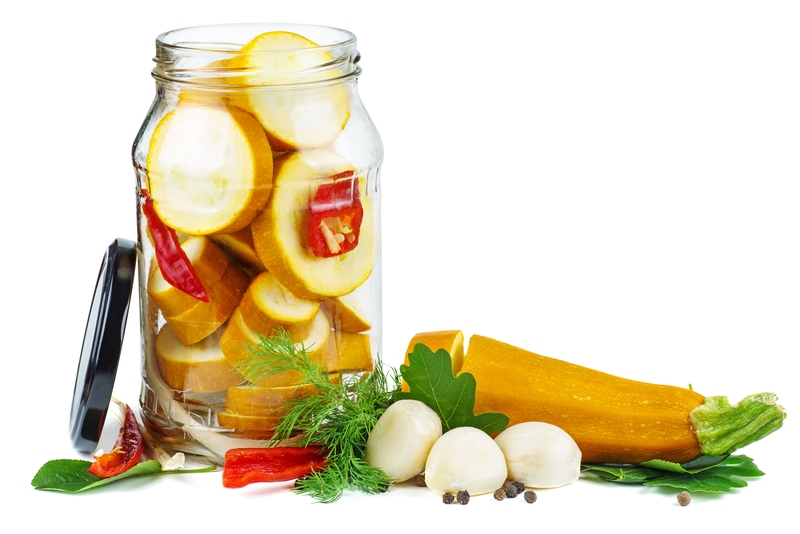
Gardening season is in full swing, and that means you’re about to be up to your eyeballs in tomatoes, zucchini, and other delicious fruits and veggies. Rather than letting things go slowly to waste in your fridge or sneaking piles of squash into your neighbor’s unlocked car in the dead of night, adopting other strategies to prevent food waste can be both fun and educational. What can you do with it all? How can you make sure it’s not going to waste after all your hard work?
Find Out How to Donate
According to Wheels for Wishes, whether your extra is garden gleanings or leftovers that you’re clearing from the fridge, finding out where to donate food in your area is a great way to help others while helping yourself declutter. Local shelters, food banks, and even church groups are often delighted to have your fresh fruit and vegetables, frozen goods, and other offerings. Local laws might apply, so call your local food bank and ask what options are for donations. Perhaps your community group can donate together!
Store Better
For home storage, there are many great options for using up great products which otherwise could go to waste. One great option, whether for storage or cooking such as sous vide, is to get a vacuum sealer. Many small home products have been available on the market for a long time but are often inadequate in their pressure offerings. According to Vacuum Sealers Unlimited, commercial vacuum sealers are tougher and can handle more than a home vacuum sealer. Sealed foods last a great deal longer, both in the fridge and freezer.
Canning
Cottagecore crafts are trending right now, and along with them, learning how to can and pressure seal foods. For low danger foods such as jams and jellies and lemon curd, you can learn at home without much specialized equipment, only needing a water bath, jars, and a handling tool to lift from hot water. Higher acidity foods, like spaghetti sauce, green beans, and especially meats, however, according to Morning Chores, must be sealed in a pressure canner to not cause botulism. You don’t want food poisoning, so follow all the rules in guides like the Ball Blue Book.
You put in all the hard work to purchase, grow, cook and save foods, so this is just the last step. Learn how to protect your investment, and get new, fun skills at the same time. Even better, you can help yourself and others!
Read this next: How You Can Promote Food Safety in Your Kitchen
For more tips on kitchen, cooking, food, garden, home, listen to The Maria Liberati Show Podcast

Foodie, traveler, and art enthusiast? Immerse yourself in “The Maria Liberati Show,” where Gourmand World award-winning author/ chef Maria Liberati explores the world through the lens of food, culture, and art.
Join Maria as she engages fascinating guests in lively conversations about:**
Culinary experiences and traditions from around the globe.
The connections between food, wine, art, and literature.
The unique stories and inspirations behind people’s food journeys.
What food means to them personally and culturally. Learn how food connects us all!
A practical guide to clean eating made simple with easy fall inspired meals with Sara Ecklin from CleanPlateMama.com
Clean Eating for Beginners: https://cleanplatemama.com/cleanfoodbasics/
Bio: Sara Ecklin is the creator behind Clean Plate Mama, where she shares easy, wholesome recipes and practical clean eating tips. As a mom and recipe developer, she's passionate about helping people navigate the grocery store with confidence and use real, simple ingredients. She inspires thousands of home cooks to make clean eating feel approachable and sustainable.
Also this week ….wellness tips for busy lives with author Donna Miranda Caldwell. For more tips, food, home, garden go to themarialiberatishow.com and marialiberati.com. You can also find more in the Gourmand World Award Winning book series The Basic Art of Italian Cooking: Holidays and Special Occasions-2nd edition